How Automation is Transforming End of Life EV Systems Recycling in Europe
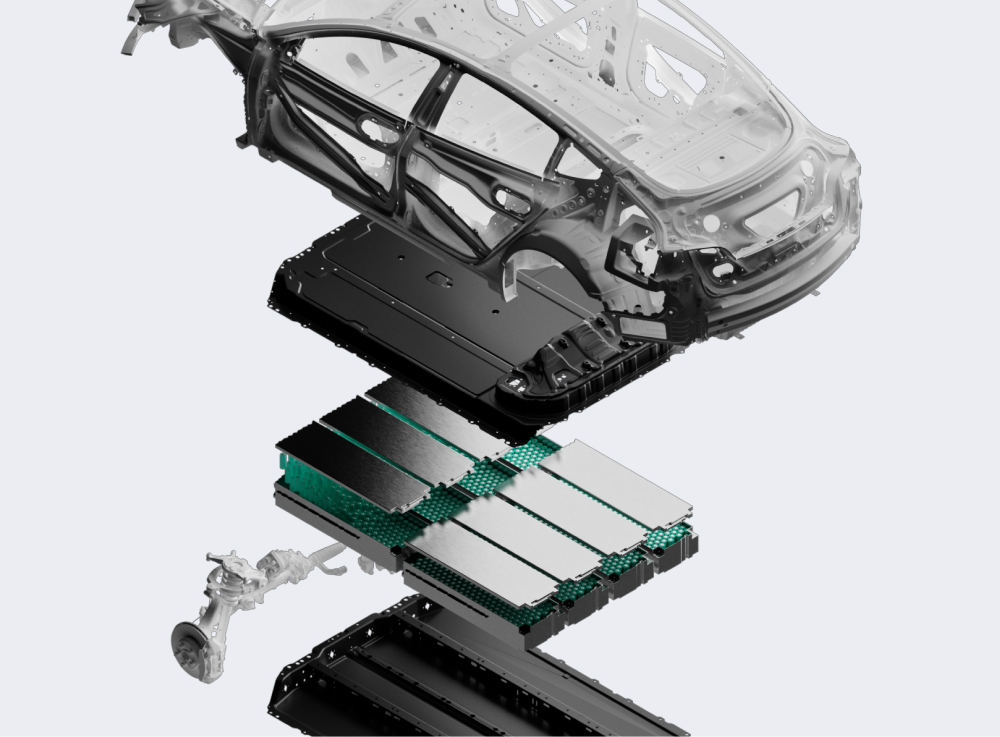
Europe’s electrification push is entering a decisive phase. As electric vehicles scale acrossmarkets, growing volumes of end-of-life electric vehicle systems, from battery packs toe-drives and power electronics, require safe, efficient, and industrially viable processing.Addressing this challenge is no longer about isolated recycling steps, but about automateddisassembly at system level.
At R3 Robotics, automation is redefining how complex electrified systems are dismantled. Traditional battery and vehicle system disassembly has been labour-intensive, hazardous, and difficult to scale. High-voltage components, tightly integrated architectures, and design variability across OEMs have historically required extensive manual intervention. Today, robotics, AI, and flexible tooling are transforming this landscape.
Modern automated dismantling platforms combine robotic precision with intelligent software to identify components, disconnect high-voltage interfaces, and separate systemsinto defined, reusable or recyclable outputs. This approach significantly reduces human exposure to risk while delivering the repeatability, throughput, and reliability required for continuous industrial operations. As end-of-life volumes increase, this level of automation becomes essential. Rather than treating batteries as standalone units, R3 Robotics focuses on the automated dismantling of complete electric vehicle systems. By extending AI-powered robotics beyond battery packs to include e-motors, power electronics, and related subsystems, dismantling processes can adapt to different system architectures and OEM designs. This flexibility is critical in an environment where standardization remains limited.
Automation also enables traceability and data generation across dismantling operations. Each automated step provides insights into system configuration, component condition, andmaterial flows, supporting regulatory compliance and enabling informed decisions around repair, reuse, and recycling. Clean feedstock and consistent output quality are key enablers of downstream circular value chains. This shift is closely aligned with Europe’s regulatory and industrial priorities. The EU Battery Regulation, the Critical Raw Materials Act, and the End-of-Life Vehicles Directive all emphasize higher recovery efficiency, safer processing, and stronger domestic supply chains. Automated dismantling infrastructure plays a central role in meeting these requirements at scale.
Looking ahead, the integration of robotics and AI into industrial disassembly will befundamental to managing the next wave of electrified systems reaching end-of-life. By industrializing automated dismantling beyond batteries, R3 Robotics is helping build the infrastructure needed to turn end-of-life electric vehicle systems into a strategic resource, supporting repair, reuse, and recycling within a truly circular economy.

Say hello to Khachatur, a passionate engineer who's been on an exciting journey in the world of electrical engineering. Having completed his PhD in Engineering at the University of Luxembourg, Khachatur is all about pushing the boundaries of technology. His main gig initially? Figuring out how to seamlessly integrate battery energy storage systems into power grids.
Before diving into his doctoral studies, he spent nearly four years as an electrical engineer, gaining hands-on experience across various industries. He was the go-to guy for building and testing custom electrical systems, always on the lookout for new ways to solve tricky problems.
What’s your role at Circu Li-ion?
Khachatur: I am a Cell and ESS Engineer at Circu Li-ion. Currently, my main focus is the diagnostics and discharging of batteries and battery energy storage system development. I am taking care of the development of our micromobility battery pack diagnostics and discharging machine that will help increase the number of upcycled batteries and increase the safety of the operation. Also, I am leading the development of our battery energy storage system made of second-life cells and modules that we automatically extract from end-of-life batteries.
What motivated you to join Circu Li-ion?
Khachatur: First of all, the vision of battery and cell upcycling and the ambitions of the company attracted me. Second, I like being hands-on and solving problems. So, the upcoming challenges associated with the big vision of the company made me curious to find solutions and solve them. The decision to join a startup was natural to me as I have worked both in big traditional companies and small startups and I knew that startups move faster and are more fun.
Thans for sharing, Khachatur. Looking forward to the journey ahead!
You’d like to join the revolut-ion as well?
Find more information and open positions here.