Why Data and Traceability Are Becoming Critical for End-of-Life EV Systems in Europe
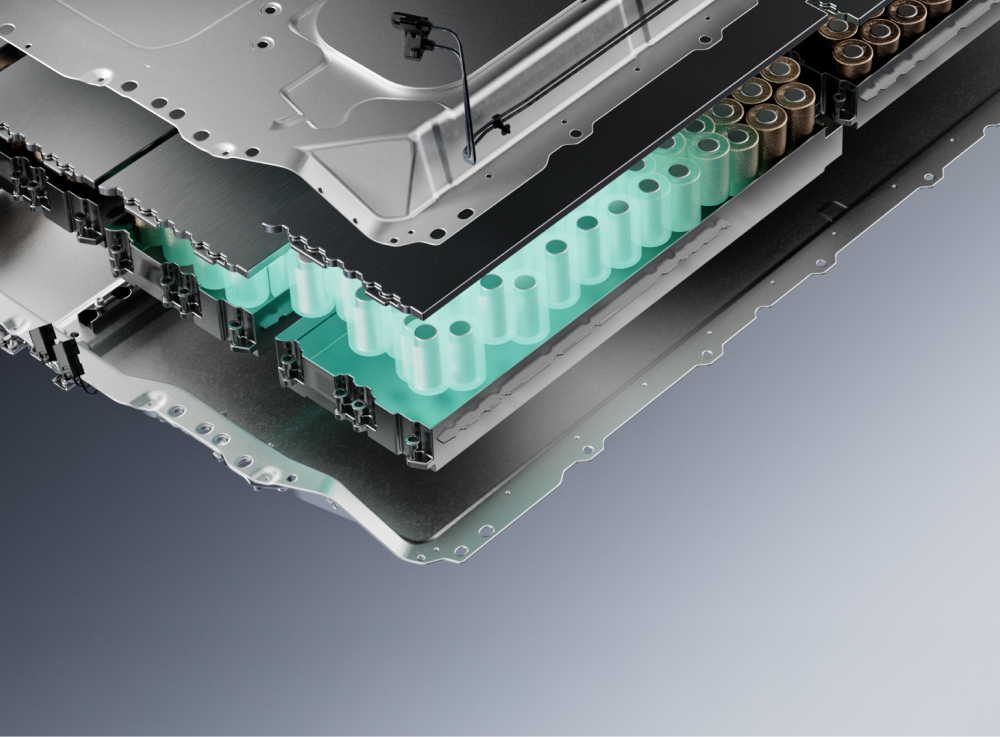
As volumes of end-of-life electric vehicle systems increase across Europe, the industry isfacing a shift that goes beyond physical dismantling. Processing EV systems at scale now requires data-driven operations, where traceability, system intelligence, and operational visibility are as critical as automation itself.
Historically, end-of-life EV processing has operated with limited upstream information. Incomplete knowledge of system configuration, component condition, and prior usage often forces conservative handling, manual inspection, and inefficient decision-making. This lack of visibility increases processing time, raises costs, and limits the ability to determine themost valuable downstream pathways.
Data-enabled disassembly changes this dynamic. By integrating software, sensors, andautomated workflows into dismantling operations, EV systems can be identified, tracked,and processed with a clear understanding of what is being handled at every step. Traceability at system, module, and component level enables consistent execution and reduces uncertainty across operations.
For industrial-scale dismantling, traceability directly impacts cost and efficiency. When system identity and condition are known upfront and continuously captured during disassembly, processes can be optimized for speed, safety, and repeatability. Automated data capture eliminates redundant manual checks and supports stable, repeatable operations across high-throughput environments. Beyond operational efficiency, data plays a central role in determining value recovery. Fully traceable dismantling enables informed decisions across repair, reuse, second-life, and recycling pathways. Components and materials can be directed to the most appropriate downstream use based on verified condition and history, rather than assumptions or worst-case handling.
Traceability is also becoming essential for regulatory compliance. European frameworks such as the EU Battery Regulation and End-of-Life Vehicles Directive increasingly emphasize documentation, reporting, and transparency across end-of-life processes. Data generated through automated disassembly systems provides the foundation for meeting these requirements reliably and at scale. As end-of-life EV volumes continue to rise, the industry’s ability to manage complexity will depend on more than mechanical automation alone. Data, traceability, and operational software are becoming core infrastructure for scalable, cost-efficient, and compliant EV system processing.
By embedding traceability and data intelligence into automated disassembly, R3 Robotics is enabling end-of-life EV systems to be processed with greater certainty, consistency, and value, supporting efficient material recovery and circular operations across Europe.

Say hello to Khachatur, a passionate engineer who's been on an exciting journey in the world of electrical engineering. Having completed his PhD in Engineering at the University of Luxembourg, Khachatur is all about pushing the boundaries of technology. His main gig initially? Figuring out how to seamlessly integrate battery energy storage systems into power grids.
Before diving into his doctoral studies, he spent nearly four years as an electrical engineer, gaining hands-on experience across various industries. He was the go-to guy for building and testing custom electrical systems, always on the lookout for new ways to solve tricky problems.
What’s your role at Circu Li-ion?
Khachatur: I am a Cell and ESS Engineer at Circu Li-ion. Currently, my main focus is the diagnostics and discharging of batteries and battery energy storage system development. I am taking care of the development of our micromobility battery pack diagnostics and discharging machine that will help increase the number of upcycled batteries and increase the safety of the operation. Also, I am leading the development of our battery energy storage system made of second-life cells and modules that we automatically extract from end-of-life batteries.
What motivated you to join Circu Li-ion?
Khachatur: First of all, the vision of battery and cell upcycling and the ambitions of the company attracted me. Second, I like being hands-on and solving problems. So, the upcoming challenges associated with the big vision of the company made me curious to find solutions and solve them. The decision to join a startup was natural to me as I have worked both in big traditional companies and small startups and I knew that startups move faster and are more fun.
Thans for sharing, Khachatur. Looking forward to the journey ahead!
You’d like to join the revolut-ion as well?
Find more information and open positions here.