Circu Li-ion embraces Na-ion

Dr. Xavier Kohll & team
Over the last weeks sodium-ion batteries have been the hot topic in the battery industry. With companies such as Northvolt, CATL or Tiamat announcing either production or application of the sodium-ion technology, it's worth having a closer look at this trend. But first, let's quickly dig into this matter to understand what this sodium-ion technology is about and how it differs from the lithium-ion technology.
What is sodium-ion really?
As the name implies, sodium-ion (Na-ion) batteries use sodium-ions instead of lithium-ions. Ions are charged particles that will move under the influence of an electrical field. They can be positive (cation) or negative (anion). They "enter" or "intercalate" in the electrode allowing the system to store electrical energy in it. Sodium-ions are bigger and heavier than lithium-ions, leading to a lower capacity (unit of charge stored) as well as a lower voltage. The result: lower energy density (Energy = Capacity x Voltage), in the range of 40% lower than lithium.
Why using the sodium-ion technology then?
#1 Sodium-ion batteries are less expensive
For physico-chemical reasons, lithium-ion batteries must use current collectors - the element used to connect the electrodes - from two different materials: copper and aluminium. This, on top of being a potential source of corrosion issues, increases its cost, as copper is much more expensive than aluminium. Sodium-ion batteries, however, use only aluminium.
#2 Sodium-ion batteries are safer for operation
As lithium-ion batteries use two different metals for their current connectors, they have to stay above a certain voltage. If they don't, they destroy themselves. This phenomenon is called deep discharge. Using one type of metal as current collectors, sodium-ion batteries, however, can be discharged to 0 volt, making them intrinsically safer for operation.
#3 Sodium-ion batteries are more available
Moreover, sodium as an element is more available than lithium. It is found in many minerals that can be mined or sometimes come from a secondary stream. Sodium can also be extracted from seawater under the form of sodium chloride, the other name for table salt. Hence, its extraction is - for the moment - less problematic than lithium.
What is this sodium-ion technology used for?
The applications announced for this type of chemistry range from power tools to micromobility and stationary applications, where performance always depends on cost, as well as some applications in electric vehicles. For example, CATL and BYD have announced the use of Na-ion cells in electric vehicles for 2024, and Tiamat cells can currently be found in electric screwdrivers.
All good things come to an end:
How to deal with used sodium-ion batteries
Having been used in different applications, sodium-ion batteries – just like lithium-ion batteries – come sooner or later to a state of being decommissioned. What's next? R3 Robotics offers – although the name suggests otherwise – not only an upcycling solution for the lithium-ion but also for the sodium-ion technology.
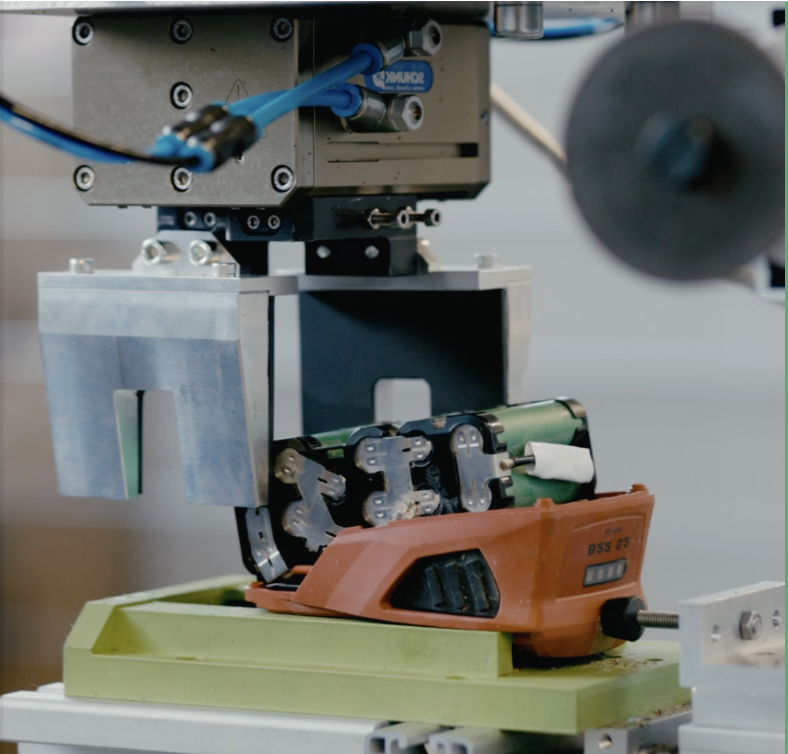
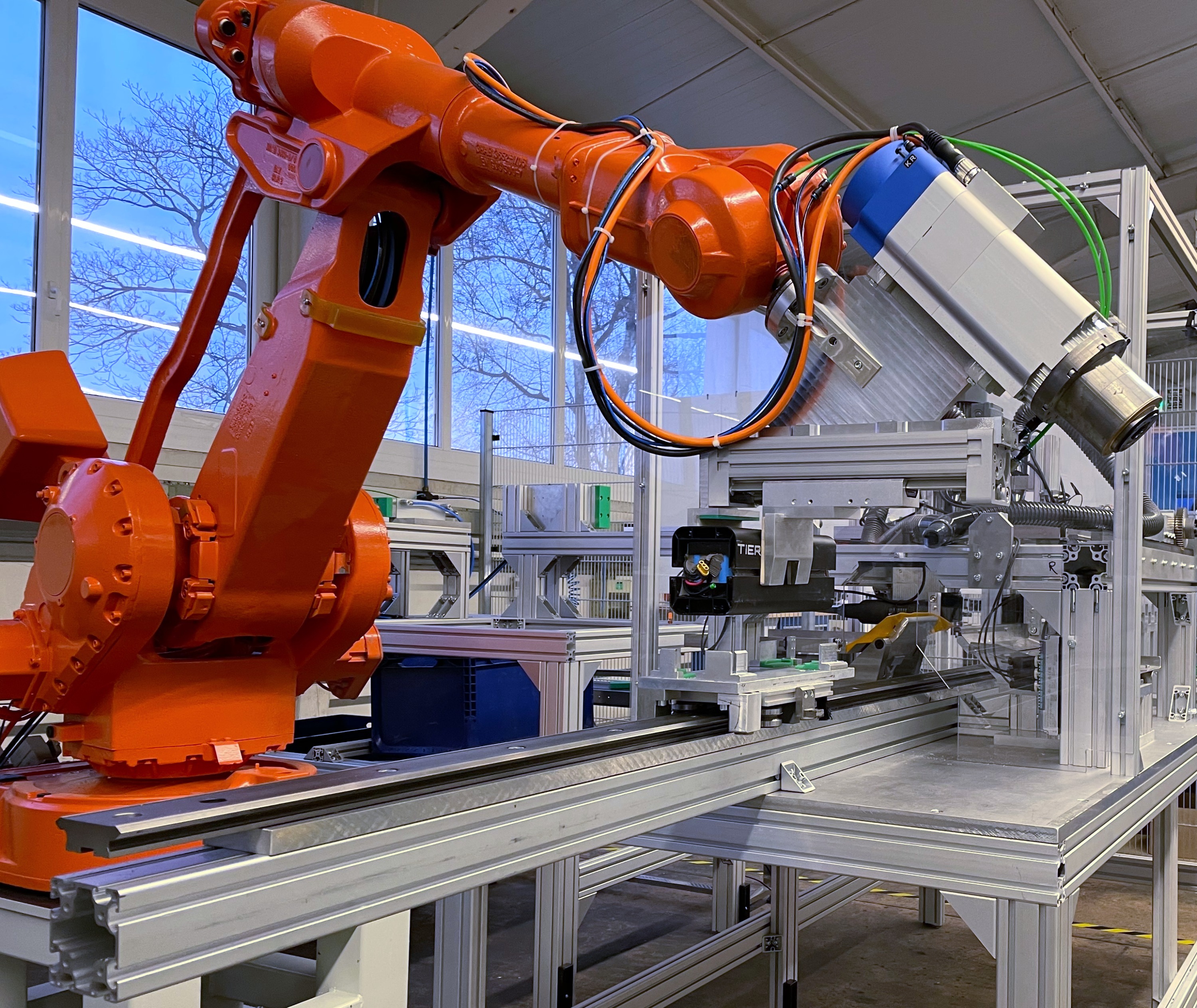
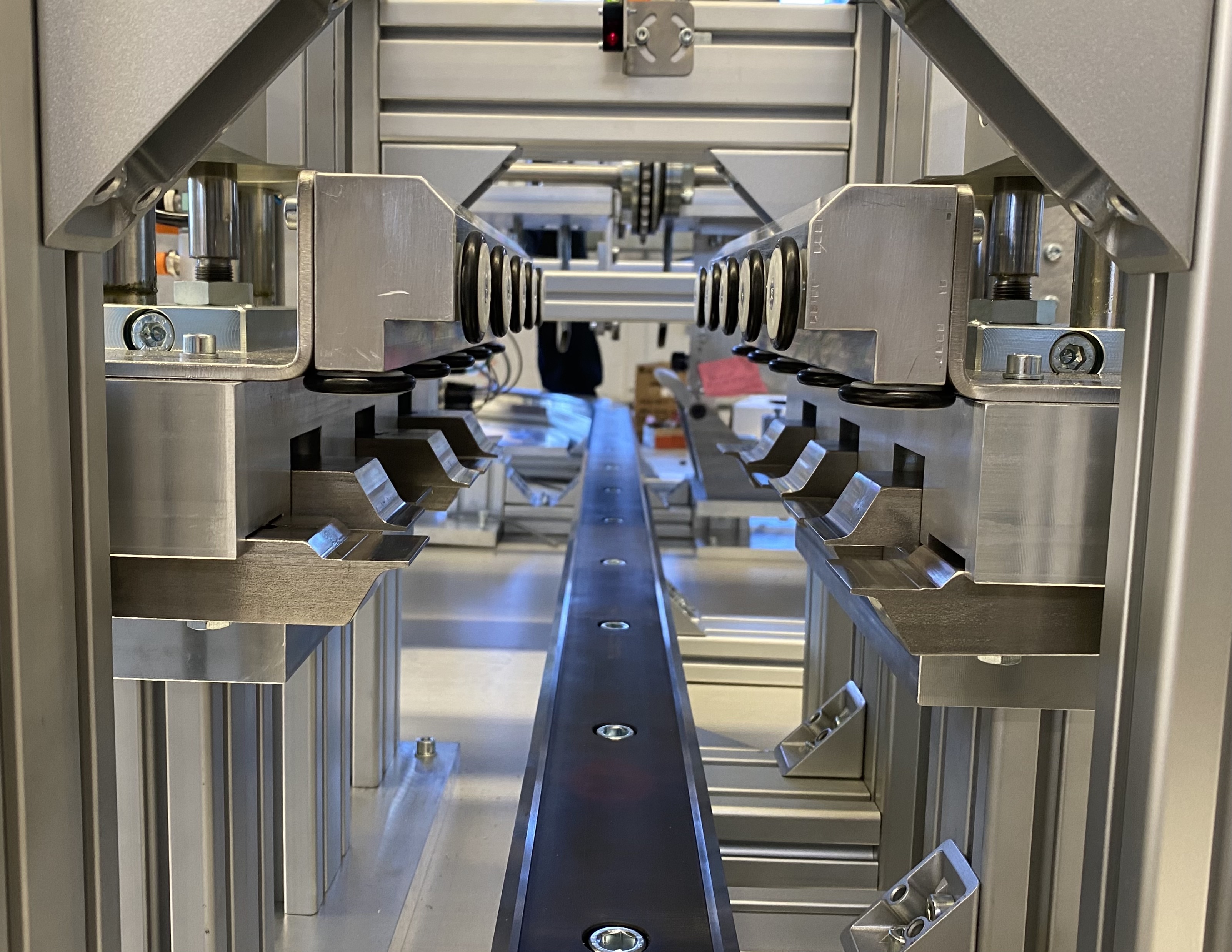
With our automated battery upcycling process, we disassemble and diagnose battery packs. This enables the reuse and upcycling of battery cells and their components for a second or third life and – if the components have reached the end of their life – pure material flows for clean recycling.
Bottom line: No matter if you have lithium-ion or sodium-ion batteries – if you'd like to use every battery component to its full potential to save money & the planet, contact us!
Learn more about our services for recyclers and
battery OEMs and operators.
Photos by R3 Robotics
Sources
https://www.catl.com/en/news/6013.html
https://northvolt.com/articles/northvolt-sodium-ion/ https://www.lesechos.fr/idees-debats/sciences-prospective/un-tournevis-electriqueunique-au-monde-car-alimente-par-une-batterie-sodium-ion-2026783
https://faradion.co.uk/technology-benefits/strong-performance

Say hello to Khachatur, a passionate engineer who's been on an exciting journey in the world of electrical engineering. Having completed his PhD in Engineering at the University of Luxembourg, Khachatur is all about pushing the boundaries of technology. His main gig initially? Figuring out how to seamlessly integrate battery energy storage systems into power grids.
Before diving into his doctoral studies, he spent nearly four years as an electrical engineer, gaining hands-on experience across various industries. He was the go-to guy for building and testing custom electrical systems, always on the lookout for new ways to solve tricky problems.
What’s your role at Circu Li-ion?
Khachatur: I am a Cell and ESS Engineer at Circu Li-ion. Currently, my main focus is the diagnostics and discharging of batteries and battery energy storage system development. I am taking care of the development of our micromobility battery pack diagnostics and discharging machine that will help increase the number of upcycled batteries and increase the safety of the operation. Also, I am leading the development of our battery energy storage system made of second-life cells and modules that we automatically extract from end-of-life batteries.
What motivated you to join Circu Li-ion?
Khachatur: First of all, the vision of battery and cell upcycling and the ambitions of the company attracted me. Second, I like being hands-on and solving problems. So, the upcoming challenges associated with the big vision of the company made me curious to find solutions and solve them. The decision to join a startup was natural to me as I have worked both in big traditional companies and small startups and I knew that startups move faster and are more fun.
Thans for sharing, Khachatur. Looking forward to the journey ahead!
You’d like to join the revolut-ion as well?
Find more information and open positions here.